Roamin Cat Should Have Held the Onions
PR Newswire
MINNEAPOLIS, June 24, 2026
Frisky Feline Poisoned by Discarded Sliders
MINNEAPOLIS, June 24, 2026 /PRNewswire/ -- Sometimes a pet is named for his appearance, such as Spot or Red. Others practically name themselves by their behavior. From the moment Michael Nihart saw his new cat investigating the entire house, it was pretty clear that Roamin had his name, and that he likes mischief.
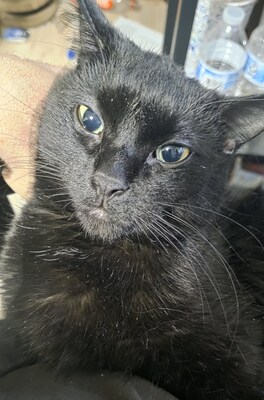
"He's like a dog in a cat's body," joked Lisa Nihart, Michael's mom. "He's always getting into trouble and trying to sneak outside."
That curious nature, however, can get pets into trouble.
"Cats often have very high curiosity, which in this case could have actually killed him," said Dr. Renee Schmid, a senior veterinary toxicologist and director of Veterinary Medicine at Pet Poison Helpline. "Roamin got into the trash and ingested two White Castle™ sliders with diced onion. Although the high fat and salt content can cause gastrointestinal upset, it was the onions that caused us the most concern."
In honor of National Onion Day on June 27, the toxicology experts at Pet Poison Helpline want to warn pet lovers that toxic doses of onions by pets can result in oxidative damage to the red blood cells, making the cells more likely to rupture. It can also cause gastroenteritis, resulting in nausea, oral irritation, drooling, abdominal pain, vomiting and diarrhea. With onions, poisoning may have a delayed onset, and clinical signs may not be apparent for several days. Left untreated, it can result in death.
"Not only do White Castle sliders have onions on them, but they also have onions in them," Lisa Nihart explained. "Being a veterinary technician, I knew onions were dangerous to cats, so I called Pet Poison Helpline. They recommended I take Roamin to the hospital."
Roamin was taken to Wellhaven Pet Health Maple Grove for evaluation and treatment.
"Nobody had any idea what to do," Lisa Nihart said. "It's a good thing we already had a case started with Pet Poison Helpline, because the hospital team was able to begin evaluating her immediately. Because I'm a tech, I thought I could monitor and treat him at home." Based on the timing of the ingestion, it was too late to induce vomiting or provide additional decontamination, so an anti-emetic was given, bloodwork was performed and subcutaneous fluids were administered. Nihart decided to take Roamin home and was given antioxidants to administer to help minimize red cell damage and advised to recheck bloodwork every two to three days to evaluate for anemia. Roamin would also need to return the veterinary hospital if he was lethargic, not eating, or had any other abnormal behavior.
After several days, Michael noticed that Roamin was still not his normal rambunctious self and had pale coloring to his gums, which could indicate anemia. He insisted that something was wrong, and his mom took the cat back to the hospital for a recheck of his bloodwork and potentially additional treatment. By that time, Roamin's blood cells were showing signs of significant damage. Roamin's red blood cell count was dangerously low, and his bloodwork was consistent with red blood cell damage caused by the toxic components of onions.
"We recommended a very aggressive treatment," Dr. Schmid said. "One of our veterinary toxicologists who managed Roamin's case advised to start intravenous fluids, an additional antioxidant and glutathione replacer called N-Acetylcysteine, as well as additional antioxidants. Fortunately for Roamin, he remained stable enough to not need a blood transfusion." Roamin remained in the hospital for several days and continued to have bloodwork monitoring for two weeks to ensure his red blood cells had returned to normal, healthy numbers.
While Roamin's exposure had a happy ending, onion poisoning, and any Allium species in general, be challenging to relay the potential severity with pet owners. Many pet foods and products contain onion or garlic to enhance flavoring. When it comes to determining the toxicity of garlic and onions, the dose matters. The amounts added to pet products are well below a dose where poisoning could occur, but that doesn't mean those foods aren't toxic at larger doses. Also, because signs of poisoning often do not develop until several days to a week after the ingestion, many pet owners will assume their pet is out of the woods and may choose not to be more aggressive with their initial care. Unfortunately, this can result in fatal consequences.
"I'm really glad Michael is so focused on Roamin," Lisa Nihart added. "He noticed the changes in his behavior and talked me into going back to the hospital. It probably saved Roamin's life."
Pet Poison Helpline created Toxin Tails to educate the veterinary community and pet lovers on the many types of poisoning dangers facing pets, both in and out of the home. All the pets highlighted in Toxin Tails have been successfully treated for the poisoning and fully recovered.
About Pet Poison Helpline
Pet Poison Helpline®, your trusted source for toxicology and pet health advice in times of potential emergency, is available 24 hours, seven days a week for pet owners and veterinary professionals who require assistance treating a potentially poisoned pet. Per incident and subscription service options are available. We are an independent, nationally recognized animal poison control center triple licensed by the Boards of Veterinary Medicine, Medicine and Pharmacy providing unmatched professional leadership and expertise. Our veterinarians and board-certified toxicologists provide treatment advice for all species, including dogs, cats, birds, small mammals, large animals and exotic species. As the most cost-effective option for animal poison control care, Pet Poison Helpline's fee of $89 per incident includes follow-up consultations for the duration of the case. The company also offers pethelpline(SM) and pethelplinePRO(SM) subscription services directly to pet lovers. Based in Minneapolis, Pet Poison Helpline is available in North America by calling 800-213-6680. Additional information, including a chat feature for pet owners, can be found online at www.petpoisonhelpline.com.
Contact: Curtis Steinhoff
Pet Poison Helpline®
(602) 300-8466
csteinhoff@petpoisonhelpline.com

 View original content to download multimedia:https://www.prnewswire.com/news-releases/roamin-cat-should-have-held-the-onions-302808152.html
SOURCE Pet Poison Helpline