
How to Prevent Basement Flooding During Indiana’s Heavy Spring Rains
Martinsville, United States - April 13, 2026 / Indiana Crawl Space Repair /
As the winter frost thaws and the heavy spring rains begin to sweep across Morgan County, homeowners in Martinsville face a recurring anxiety: the threat of a wet basement. In Central Indiana, a damp basement isn’t just a seasonal inconvenience; it is a structural liability. The combination of our dense clay soils and the rapid increase in groundwater levels during the spring can lead to hydrostatic pressure that forces water through even the smallest cracks in your foundation.
Preparing your home for the rainy season requires more than just checking your gutters. Professional basement waterproofing is an investment in your home’s structural integrity, indoor air quality, and long-term market value. At Indiana Crawl Space Repair, we understand the specific geological challenges of Martinsville, and we provide permanent solutions that go far beyond temporary “dry-it-out” fixes.
Why Traditional French Drains Often Fail in Indiana Clay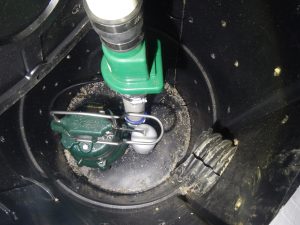
Many Martinsville homes were built with traditional exterior French drains—perforated pipes buried in gravel outside the foundation. While these work well in sandy soil, they are notorious for failing in Indiana’s heavy clay. Over time, the clay particles wash into the gravel and clog the pipe, rendering the system useless just when you need it most.
Furthermore, exterior drains are nearly impossible to service once they fail without massive, expensive excavation. This is why we specialize in interior drainage systems. By managing the water from the inside, we can capture seepage at the “cove joint”—the point where your basement wall meets the floor—and direct it away before it ever reaches your living space.
Getty Images Explore
The 3-Step Waterproofing Perimeter Strategy
To ensure your basement remains dry regardless of how much rain falls in Martinsville, we implement a comprehensive “Perimeter of Protection” strategy. This system is designed to handle water at every entry point.
Step 1: Sub-floor Drainage with the CrawlDrain System
The CrawlDrain is our proprietary sub-floor drainage track. Unlike generic pipes that sit in the mud and clog, the CrawlDrain is a specialized profile that sits on top of the footing. It is designed to capture water that seeps through the walls or rises from beneath the floor, channeling it quickly toward the sump pump. Because it sits above the “mud zone,” it remains clear and functional for the life of the home.
Step 2: High-Capacity Sump Pumps with Battery Backups
The heart of any waterproofing system is the sump pump. In Martinsville, spring storms often come with high winds and power outages. A standard plug-in pump is useless if the power goes out during a deluge. We install high-performance pumps with dedicated battery backup systems, ensuring that even if the lights go out, your basement remains protected.
Step 3: Wall Vapor Barriers and Seepage Control
If your basement walls are made of concrete blocks, water can actually collect inside the hollow cores of the blocks. We install wall vapor barriers that direct this internal seepage down into the CrawlDrain system. This keeps the humidity levels low and prevents the “weeping” walls that lead to mold growth.
The Hidden Costs of Ignoring a Damp Basement
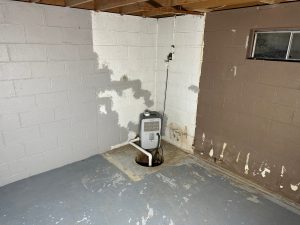
Ignoring a small amount of seepage during the spring may seem like a cost-saving measure, but the “hidden” costs accumulate quickly. High humidity in the basement creates a breeding ground for mold and dust mites, which the “Stack Effect” eventually pulls up into the main living areas of your home. Additionally, constant moisture weakens the wooden floor joists above, leading to sagging and structural decay.
Perhaps most importantly, a history of basement water issues can decrease a home’s resale value by 10% to 25%. In today’s real estate market, a dry, warrantied basement is often a non-negotiable requirement for buyers.
Frequently Asked Questions
Why does water come through my basement floor?
When the ground in Martinsville becomes saturated with spring rain, the water creates “hydrostatic pressure.” This pressure is strong enough to push water upward through the cove joint and even through microscopic cracks in the concrete floor slab itself.
Do I really need a battery backup for my sump pump?
Absolutely. In Indiana, the heaviest rains often coincide with thunderstorms that can knock out power for hours. Without a battery backup, your primary pump will stop precisely when the water inflow is at its peak. A backup system is your ultimate insurance policy against flooding.
Does waterproofing increase home value?
Yes. A professionally waterproofed basement with a transferable warranty provides peace of mind to buyers. It effectively adds usable square footage to your home by transforming a damp storage area into a space that can be safely finished or used for climate-controlled storage.
Beat the Spring Rush
The best time to waterproof your basement is before the first major storm of the season. Once the ground is saturated and the water is in your basement, the damage has already begun. By taking a proactive approach to moisture control, you can enjoy the spring season without the constant fear of a flooded home.
Protect your home and your health. Contact Indiana Crawl Space Repair today for a free basement waterproofing quote in Martinsville and ensure your foundation is ready for whatever the Indiana weather brings.


Contact Information:
Indiana Crawl Space Repair
1759 N Blue Bluff Rd
Martinsville, IN 46151
United States
Larry Ralph
(317) 893-7016
https://www.indianacrawlspacerepair.com/